

Current category:
PBR Texture
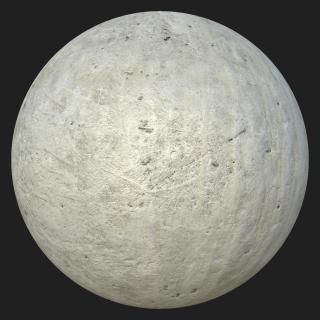
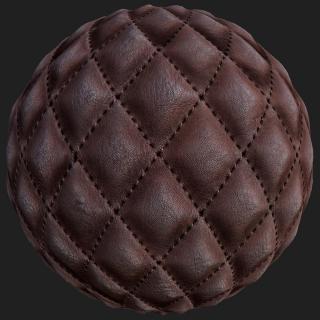
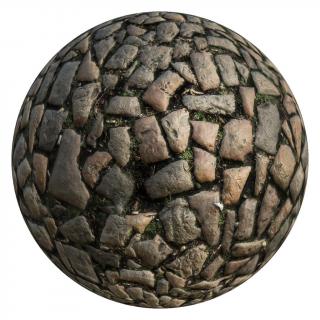
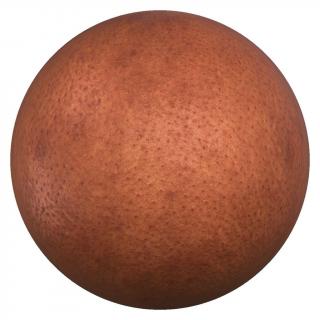
Explore a professional collection of PBR textures created for environment artists, 3D artists, texture artists, game developers, level designers, VFX teams, archviz artists and digital production studios. This category focuses on production-ready physically based textures, fabric PBR textures, concrete PBR textures, realistic surface materials, albedo maps, roughness maps, normal maps, height detail, displacement, ambient occlusion and material reference for games, films, animation, architectural visualization and digital art workflows.
PBR textures provide organized material resources for creating realistic surfaces in modern 3D environments. Artists can use these textures to build believable fabric, concrete, ground, metal, wall, floor and architectural materials with consistent shader behavior. They are especially useful for environment art, level design, 3D texturing, look development, asset creation, set dressing and production-ready scene building.
This category is useful for working with different types of physically based materials, including fabric PBR textures, concrete PBR textures, textile surfaces, architectural concrete, worn materials, rough surfaces and realistic environment shaders. Fabric PBR textures can support interiors, furniture, carpets, tactical props and soft material workflows, while concrete PBR textures are useful for walls, floors, urban scenes, industrial locations, buildings and architectural visualization.
PBR textures are ideal for artists who need reliable texture resources for physically based rendering workflows. These materials can support albedo, roughness, normal, height, displacement and ambient occlusion workflows, helping artists create realistic surface response under different lighting conditions. They are useful for both real-time engines and offline rendering pipelines where material consistency, detail and believable shader response are important.
PBR textures are valuable for game artists, environment artists, VFX artists, archviz artists and 3D modelers working on real-time or cinematic scenes. They can support modular environment kits, interior materials, exterior surfaces, fabric props, concrete walls, architectural floors, scanned texture workflows, procedural shaders and realistic set dressing. These textures help make environments, props, buildings and cinematic assets feel grounded, detailed and production-ready.
Strong PBR texture reference is not only about image detail. It helps define how a surface reacts to light, how rough or smooth it feels, how fabric fibers behave, how concrete damage appears, how dirt collects and how believable the material looks inside a scene. Artists can use PBR textures to create realistic interiors, urban environments, architectural surfaces, props, terrain details, fantasy scenes, sci-fi assets and cinematic production materials.
PBR textures give artists and studios a focused material library for creating believable, physically based surfaces in modern 3D production. Instead of building every material from scratch, artists can work with organized texture assets focused on fabric, concrete, realistic surface response, roughness variation, normal detail, displacement, color accuracy and production-ready shader workflows. This category is designed for professionals and students working on environment art, games, films, animation, VFX, architectural visualization, 3D texturing, look development and digital production workflows.