


Current category:
Grounds
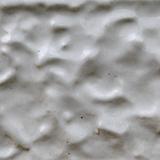
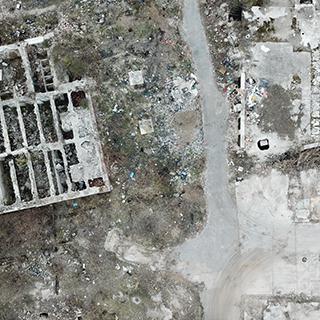
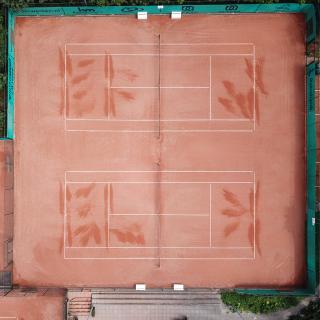
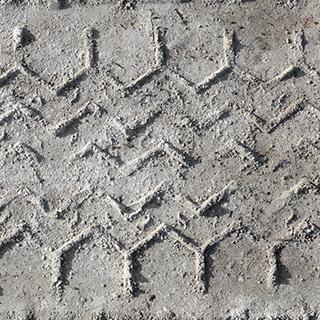
Explore a professional collection of ground texture references created for environment artists, 3D artists, game developers, level designers, VFX teams, matte painters, archviz artists and digital production studios. This 2D reference category focuses on real-world ground surfaces, asphalt, concrete, dirt, pavement, roads, paths, sidewalks, terrain detail, surface wear, cracks, stains, gravel, dust and material reference for games, films, animation, architectural visualization and digital art workflows.
Ground references provide organized visual material for studying real outdoor and urban surfaces. Artists can use these references to understand surface color, roughness, cracks, weathering, dirt buildup, stains, edge wear, small debris, material transitions and natural variation. They are especially useful for environment concept art, level design, texture creation, matte painting, set dressing and realistic 3D scene production.
This category is useful for studying many types of ground materials, including asphalt roads, concrete surfaces, dirt paths, pavement, sidewalks, worn terrain and mixed outdoor surfaces. Asphalt references are helpful for roads, parking lots and urban scenes, while dirt and terrain references support natural environments, rural paths, construction areas, wastelands and game levels that need believable ground detail.
Ground texture references are ideal for artists who need reliable visual material for material studies, digital painting, texture creation, photobashing, matte painting and environment design. The photos can support albedo reference, roughness studies, color variation, surface breakup, decal creation, procedural material design and believable background detail for both realistic and stylized projects.
Ground references are valuable for game artists, environment artists, VFX artists and 3D modelers working on real-time or cinematic scenes. They can support terrain materials, road surfaces, street environments, ground decals, modular environments, level dressing, scanned material workflows, procedural shaders and realistic set dressing. These references help make outdoor and urban scenes feel grounded, detailed and production-ready.
Strong ground reference is not only about texture. It also helps define the story of a location through wear, age, dirt, cracks, footprints, stains, repairs and surface damage. Artists can use ground textures to create abandoned streets, modern roads, industrial areas, city sidewalks, rural paths, post-apocalyptic scenes, parking lots, construction sites and realistic background environments.
Ground texture references give artists and studios a focused visual library for creating believable surfaces, roads, terrain and outdoor environments. Instead of relying on memory or generic online images, artists can study organized 2D reference material showing asphalt, concrete, dirt, pavement, cracks, stains, weathering, surface damage and natural material variation. This category is designed for professionals and students working on environment art, games, films, animation, VFX, matte painting, 3D texturing, architectural visualization and digital production workflows.