


Current category:
Fabric
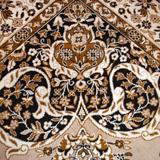
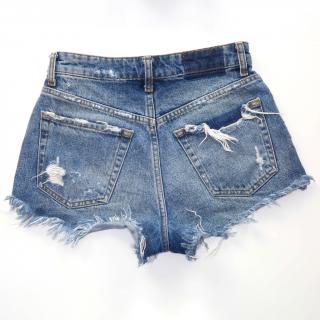
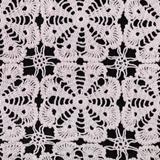
Explore a professional collection of fabric texture references created for environment artists, 3D artists, texture artists, game developers, VFX teams, archviz artists, prop artists, matte painters and digital production studios. This 2D reference category focuses on real-world fabric surfaces, camouflage fabric, carpet fabric, textile patterns, woven materials, cloth detail, fibers, seams, wear, folds, roughness, color variation and material reference for games, films, animation, architectural visualization and digital art workflows.
Fabric references provide organized visual material for studying textile surfaces, woven structure and soft material behavior. Artists can use these references to understand fiber direction, weave patterns, fabric roughness, seams, wrinkles, stains, fading, fraying, surface wear, color variation and cloth density. They are especially useful for prop design, environment concept art, interior scenes, texture creation, digital painting, set dressing and realistic 3D scene production.
This category is useful for studying different types of fabric and textile materials, including camouflage fabric, carpet fabric, woven surfaces, patterned cloth, interior textiles, military-style materials and soft architectural surfaces. Camouflage fabric references can support tactical props, military environments, outdoor equipment, costumes and game assets, while carpet fabric references are useful for interiors, hotels, offices, homes, corridors, old rooms and architectural visualization.
Fabric texture references are ideal for artists who need reliable visual material for material studies, digital painting, texture creation, photobashing, matte painting and environment design. The photos can support albedo reference, roughness studies, weave detail, fiber patterns, stains, dirt masks, fabric wear, seam detail, decal creation, procedural material design and believable textile surface variation for both realistic and stylized projects.
Fabric references are valuable for game artists, environment artists, VFX artists, archviz artists, prop artists and 3D modelers working on real-time or cinematic scenes. They can support cloth materials, carpets, furniture surfaces, curtains, tactical gear, bags, interior props, scanned material workflows, procedural shaders and realistic set dressing. These references help make rooms, props, vehicles, costumes and production assets feel grounded, detailed and production-ready.
Strong fabric reference is not only about pattern. Fabric helps define use, comfort, age, function and atmosphere through weave, fibers, stains, fading, frayed edges, compression, dust, dirt, folds and repeated contact. Artists can use fabric textures to create carpets, furniture, curtains, camouflage props, military gear, hotel interiors, old rooms, abandoned spaces, domestic scenes and cinematic set dressing.
Fabric texture references give artists and studios a focused visual library for creating believable textile materials, soft props and interior surfaces. Instead of relying on generic procedural patterns, artists can study organized 2D reference material showing camouflage fabric, carpet fabric, woven fibers, cloth detail, seams, stains, fading, surface wear and natural textile variation. This category is designed for professionals and students working on environment art, games, films, animation, VFX, matte painting, 3D texturing, architectural visualization, prop design and digital production workflows.